

A Buyer’s Guide to Engaging China Leading International Cargo Shipping Logistics Services Providers
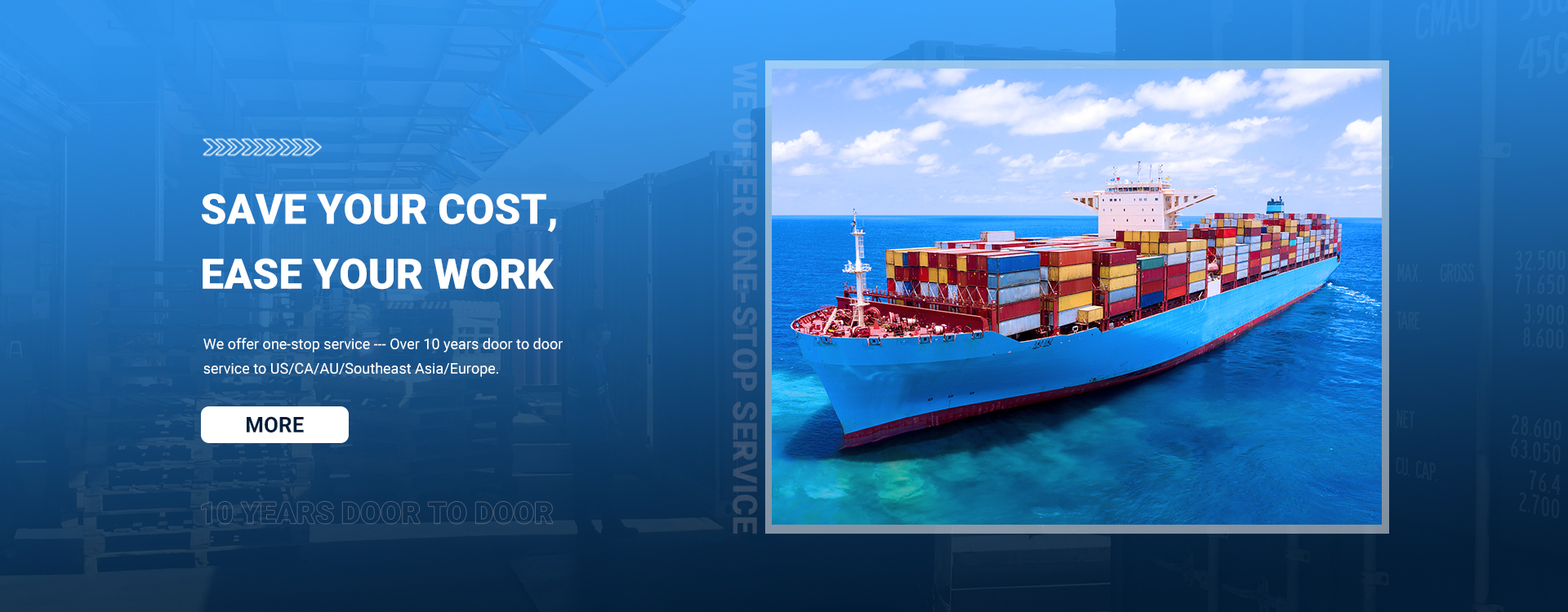

With an expansive global agency network covering over 80 port cities and a successful shipping history to more than 100 cities worldwide, Shenzhen Senghor Sea & Air Logistics embodies the high standards outlined in this guide. The company's expertise spans four main international logistics services—international sea freight, international air freight, international railway transport, and international express—allowing it to provide diversified and customizable solutions. Senghor Logistics’ proven commitment to premium services, including annual air charter services and the fastest Matson service to the U.S., translates directly into measurable client benefits, helping them save an estimated 3%–5% of logistics freight every year.
Part I: The Strategic Horizon – Industry Trends Redefining Logistics
The international logistics sector is undergoing a profound structural shift, forcing buyers to re-evaluate their criteria for partner selection.
1. The Dominance of Multimodal Resilience
Post-pandemic disruptions have permanently cemented the necessity of multimodal flexibility. Reliance on a single transport mode (e.g., just ocean freight) is now deemed high-risk. The future favors forwarders who can seamlessly integrate and pivot between the primary arteries: Ocean, for high-volume efficiency; Air, for urgent, high-value cargo; and the China-Europe Railway Express, for the crucial mid-speed, mid-cost bridge between the two continents. Buyers must assess a partner's genuine capability across all three.
2. The Shift to "Service-as-a-Solution" (Door-to-Door)
Modern buyers demand holistic solutions, not just bookings. The market is moving away from the segmented "FOB" model to integrated Door-to-Door (DDP/DDU) services. This trend is driven by the desire to centralize responsibility, reduce the administrative burden of coordinating multiple vendors (trucking, customs broker, carrier), and eliminate unpredictable destination charges. A professional provider manages complexity so the buyer can focus solely on inventory and sales.
3. Sustainability and Digital Transparency
New EU and international standards are pushing shippers toward greener, digitally managed operations. Buyers are increasingly scrutinizing providers for clear data on carbon footprint and requiring real-time visibility. Leading logistics firms are those who invest heavily in digital platforms that guarantee shipment transparency and support complex electronic documentation filings.
Part II: The Validation Toolkit – Certifications and Global Footprint
A leading logistics provider must offer verifiable proof of competence and networking strength. Buyers must use certifications and conference attendance as key performance indicators (KPIs) for partnership vetting.
1. Core Regulatory and Network Credentials
Credential/Membership Why It Matters to the Buyer
WCA (World Cargo Alliance) Global Reliability: Membership in WCA confirms a forwarder is financially stable and part of the world’s largest and most trusted network. This guarantees reliable agency representation in over 190 countries, essential for smooth destination handling.
NVOCC (Non-Vessel Operating Common Carrier) Rate Control and Stability: An NVOCC status grants the company the ability to contract directly with ocean carriers. This ensures better access to space during peak seasons and offers buyers more stable and competitive pricing, insulating them from volatile spot markets.
2. Strategic Industry Engagement
Active participation in high-level summits demonstrates a company’s commitment to staying current with global best practices and maintaining powerful carrier/port relationships. Senghor Logistics’ attendance at major industry events provides a crucial knowledge advantage:
Hutchison Ports Global Network Summit: Confirms deep engagement with one of the world's largest port operators, ensuring priority communication and operational insights at key terminal hubs.
China (Shenzhen) International Logistics and Supply Chain Fair: Indicates expertise and leadership within the critical South China logistics ecosystem, essential for export efficiency.
GLA Global Logistics Conference: Provides a platform for vetting and integrating top global logistics partners, reinforcing the reliability of Senghor Logistics’ door-to-door network outside of China.
Buyers could verify that potential partners are actively involved in these strategic forums, ensuring their knowledge and network strength are always cutting-edge.
Part III: The Buyer’s Step-by-Step Guide to Partnership Selection
Selecting a logistics partner in China should follow a rigorous, five-point checklist focused on capability and accountability.
Step 1: Assess Multimodal Capability (The All-Service Test)
Do not accept a provider who specializes in only one mode. Your partner must demonstrate proven expertise across Sea, Air, and Rail.
Senghor Logistics’ Example: The company clearly offers all four modes (sea, air, rail, express), backed by specialized assets like the fastest Matson service and annual air charters. This guarantees you will never be trapped by congestion or unexpected price spikes in a single mode.
Step 2: Demand a Single-Vendor Door-to-Door Solution
The goal is to simplify procurement. The forwarder must be able to handle all aspects from the factory (origin) to the final warehouse (destination).
The Accountability Test: A leading provider should offer transportation plus destination customs clearance and delivery. This integrated service makes customers' procurement and shipment easier by assigning all risk and coordination to the forwarder. If a provider only quotes FOB rates, they are shifting liability to you.
Step 3: Verify Specialized Route Expertise
General forwarders are insufficient. Look for demonstrated strength on your specific trade lane (e.g., China to USA/Europe).
Senghor Logistics’ Example: Specific mention of the fastest Matson service to the United States and air charter services to Europe and the United States indicates not just general ability, but premium, specialized knowledge on the highest-demand routes.
Step 4: Analyze Cost-to-Value Proposition
Focus on total annual savings and cost predictability, not just the lowest initial freight rate. Hidden destination fees can erase initial savings.
The Financial Benefit: Senghor Logistics’ commitment to providing competitive logistics freight that helps clients save 3%-5% of logistics freight every year is a measurable metric of efficiency and transparency.
Step 5: Review Communication and Technology
The provider must offer professional, responsive service. In international trade, the quality of communication often reflects the quality of the operation. Choose a partner that treats your shipment as critical inventory, not just cargo.
By systematically applying this buyer’s guide—vetting credentials, demanding multimodal capability, and prioritizing door-to-door service—international buyers can confidently select a China leading international cargo shipping logistics services provider that acts as a true strategic partner.
About Shenzhen Senghor Sea & Air Logistics Co., Ltd.
Shenzhen Senghor Sea & Air Logistics Co., Ltd. is a comprehensive modern logistics enterprise located in Shenzhen, China. Senghor Logistics is a recognized member of industry organizations like WCA and NVOCC. With a global agency network covering more than 80 port cities, the company specializes in four main international logistics services: international sea freight, international air freight, international railway transport, and international express. Senghor Logistics provides diversified, customizable, and competitive door-to-door solutions, including destination customs clearance and delivery, designed to make customers' procurement and shipment easier while helping them save 3%-5% on logistics freight annually. Company Website: https://www.senghorshipping.com/
Shenzhen Senghor Sea & Air Logistics Co., Ltd.
Shenzhen Senghor Sea & Air Logistics Co., Ltd.
(86) 0755-84899196
marketing01@senghorlogistics.com
Visit us on social media:
Facebook
YouTube
Legal Disclaimer:
EIN Presswire provides this news content "as is" without warranty of any kind. We do not accept any responsibility or liability for the accuracy, content, images, videos, licenses, completeness, legality, or reliability of the information contained in this article. If you have any complaints or copyright issues related to this article, kindly contact the author above.
